

By Lucas Reyes
Why It Hits Close to Home
I moved to Loveland nearly a decade ago. I chose it for its charm: the mountains in the distance, tree-lined streets, and neighbors who wave as you pass—a small town feel that still feels safe. But over time, I’ve seen something change: I meet fewer folks who ignore the homeless person on the street. Now there’s more urgency, more questions, more involvement—and honestly, more conflict.
What I’ve Learned Along the Way
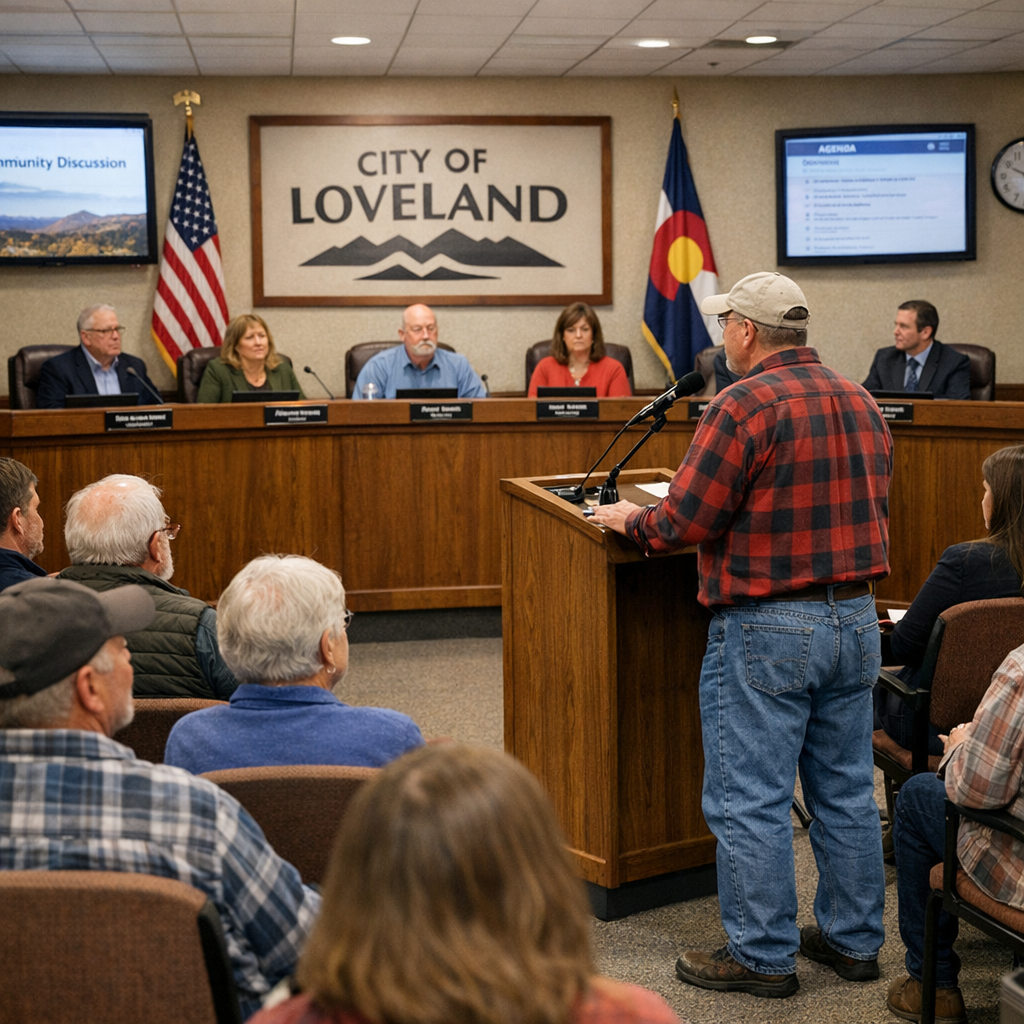
It started when I attended a city council meeting about plans to relocate the city-run homeless shelter. I saw boards filled with opinions: some demanding more resources put first into safety, others stressing compassion and housing-first approaches. I realized this issue touches nearly every corner of our community—public safety, mental health, fiscal planning, and more.
Curious, I talked with service workers, folks who’ve experienced homelessness, and longtime residents. I heard things like:
- “Without a home, I become invisible, and so does my hope.”
- Some are frustrated by limited shelter options or support only during certain parts of the year.
- Others feel that public funds are drifting without clear accountability; they want a say in how trust is rebuilt between institutions and people.
A Call for Listening—Really Listening
We tend to splinter—into “those who want stricter rules,” “those who want more funding for nonprofits,” “those who believe compassion is more than rhetoric.” What I’ve come to believe is this: our strength isn’t in who is right—it’s in who shows up to listen and bridge differences.
Here are ways I think we can do better, drawing from conversations and civic feedback in Loveland:
- Create more forums where people with lived experience of homelessness get priority to speak first in public meetings.
- Offer regular, accessible impact reports on how shelter operations and city funds are working.
- Invest in long-term housing partnerships rather than short-term fixes.
- Encourage residents to stay engaged—sign petitions, attend neighborhood meetings, vote, and volunteer.
Why It Matters to All of Us
Because homelessness isn’t a distant issue—it shows up in our downtown, our parks, our emergency services. And the way we respond reflects who we are. Do we value dignity? Do we create second chances? Do we listen to the quiet voices as much as the loud ones?
Loveland has so much to be proud of—its welcoming spirit, its natural beauty, its community energy. I believe we can face homelessness with the same qualities that drew many of us here in the first place. It starts when one person, then many, says: I see you. I hear you. And I want to act.
If you’re unsure where to start, find a nonprofit, show up to a meeting, give feedback through Let’s Talk Loveland, or just reach out—to someone you don’t know—whose story might teach you something.