

By Liam Lopez
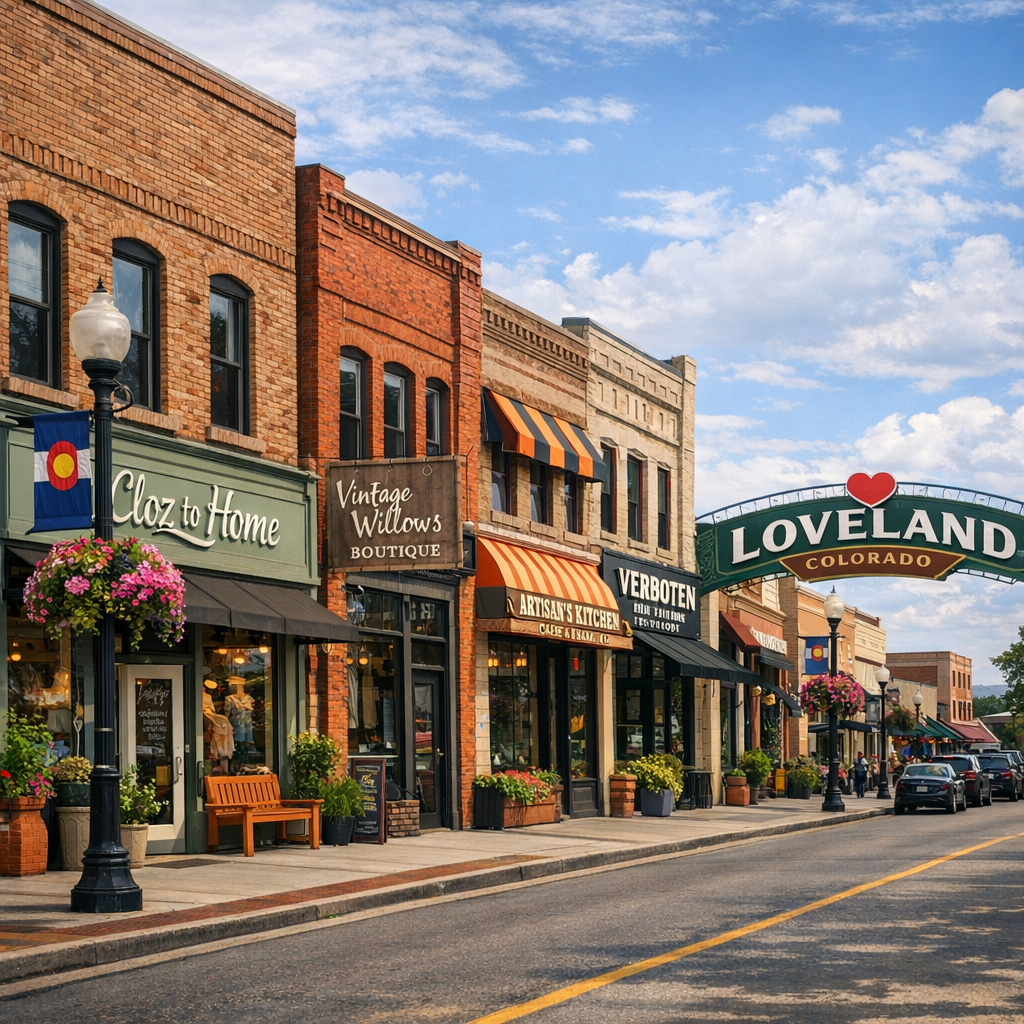
Loveland’s business scene is coming into its own, driven by strong local support systems, expanding industries, and a connected, growing workforce. From startup assistance to long-game industry strategy, the city is positioning itself for resilient and inclusive economic growth.
Strong Foundations: Support for Entrepreneurs and Small Businesses
For those turning ideas into ventures, resources are plentiful. The Loveland Business Development Center (LBDC) offers free one-on-one advising to guide entrepreneurs through business planning, licensing, funding and expansion steps. The city’s Small Business Resource Guide complements that work with tools and local intelligence specific to Loveland’s economy.
Starting up usually means juggling taxes, zoning, and choosing a legal structure. Loveland’s regulations are generally accommodating. Sales tax is 3.0%, combined with other local and state rates to total about 6.70%, depending on location and whether you’re in a fee district.
Industries Setting the Pace
Among Loveland’s strengths: aerospace & aviation, advanced manufacturing, food & beverage production, and “adventure tech” — outdoor gear or recreation-related innovation. These industries benefit from Loveland’s access to a skilled workforce, its infrastructure, and its proximity to major urban and academic centers.
Innovation isn’t just a buzzword here. According to the USPTO, Loveland is home to over 1,250 patents attributed to nearly 1,100 individual inventors. That’s reflective of a culture increasingly centered on innovation across both tech and traditional manufacturing.
Workforce Dynamics & Local Economy Trends
Loveland is growing. Population estimates show a rise from about 76,300 in 2020 to over 81,300 by mid-2025 — over 6% growth. This brings both opportunity and challenge: more demand for jobs, housing, and services.
On employment, the Fort Collins-Loveland metro area has seen gradual job growth. As of mid-2026, nonfarm employment in the region grew modestly year-over-year. But unemployment has crept up slightly from recent lows, indicating that while many are working, some are struggling to find steady or full-time roles.
Policy, Planning & Infrastructure
Loveland’s strategic priorities include retention & expansion of existing businesses, attracting new employers, and supporting entrepreneurship. The updated five-year Economic Development Strategic Plan reflects these goals — including refreshed incentive policies and support for retail, tech, and creative sectors.
Infrastructure plays a role too. The city owns its utilities, which gives better control over reliability and rates. It’s also investing in broadband through its utility arm, ensuring better connectivity — a nontrivial factor for tech startups and remote work.
What This Means for Local Entrepreneurs & Workers
If you’re launching a small business, this is a good time. Between local advising programs, relatively clear regulations, and an environment that values creative as well as technical innovation, there’s support at every stage.
For jobseekers, industries such as aerospace, outdoor tech, food production, and advanced manufacturing offer growing paths. Skills in engineering, production, R&D, and operations are valued — alongside creativity and design in the artisan and recreation sectors.
Takeaways
- Startups in Loveland benefit from free advisory services and access to funding resources.
- Growth industries are clustered in aerospace, manufacturing, and outdoor-oriented innovation.
- Employment is rising steadily, but some sectors may feel tightening in wages or opportunities as unemployment edges up.
- Planning, infrastructure, and policies continue to be aligned to make Loveland a competitive place for businesses.
In coming years, Loveland’s success will likely depend on balancing growth with affordability, ensuring equitable access to business support, and making sure infrastructure keeps pace. For now, the city is laying strong groundwork for a resilient and diversified economy.